Skip to content

Cart

Your cart is empty

AROMADD · DIFFUSER OIL GUIDE

Diffuser Oil Guide: Types, Compatibility & How to Choose

“Diffuser oil” describes intended use, not one fixed formula. Match the oil to the diffuser system first, then choose the scent.

Amber fragrance oil bottle on a wooden tray
Aromadd diffuser oil guide

The device decides what can be used. The scent profile decides how the room feels.

How this guide works3-step check
Define the oilUnderstand what the label actually tells you.
Match the deviceDifferent systems move fragrance in different ways.
Choose the scentSelect scent style after compatibility is clear.
01
Define the oil

Understand what the label actually tells you.

02
Match the device

Different systems move fragrance in different ways.

03
Choose the scent

Select scent style after compatibility is clear.

01 · What is diffuser oil?

Diffuser oil is a use-based term, not one fixed formula

A broad use-based label

Diffuser oil usually means a fragrance liquid intended to be used in some type of scent-diffusion system. The phrase does not tell you whether the liquid is made for cold-air atomization, water-based diffusion, a pad, a reed wick, or a sealed refill.

What this means

✓

The same phrase can appear on very different formulas

✓

The label describes product use, not a universal chemistry

✓

The delivery system decides what the liquid must do

Core definition

A product called “diffuser oil” may be formulated for direct cold-air atomization, water-based ultrasonic diffusion, passive evaporation, or proprietary refill systems.

The device and delivery method determine fit.
Compare device types →

Built from real scenting-system experience

Practical guidance from diffuser-system work

Aromadd has worked with fragrance-diffusion systems since 2013, supplying scenting solutions to more than 50 automotive brands and 300 hotel chains. This guide focuses on the practical relationship between fragrance format, diffuser technology, and everyday use.

02 · Device compatibility

Match the oil to the way your diffuser moves fragrance

Waterless / cold-air diffuser

Compatible fill / medium: waterless diffuser oil or fragrance oil explicitly made for direct cold-air / nebulizing diffusion.

How it handles fragrance: the liquid feeds directly into the oil path and is atomized without water. There is no water tank acting as the carrier.

Do not use: massage oil, carrier-oil blends, reed diffuser liquid, water-soluble humidifier fragrance, or any thick formula that is not made for an atomizing oil path.

Why it matters: small atomizing paths depend on flow and residue behavior. A liquid that is too viscous or built for another format can feed poorly or leave more residue.

Real device logic: treat cold-air / nebulizing systems as direct-liquid systems. The oil must be made for that route, not merely labeled “oil.”

Compatibility prescreen

Can I use this oil?

Select the device type and oil type to see whether it is worth checking further. The device manual remains the final reference.

Oil compatibility check

Can I use this oil?

Choose your device and oil type to see the prescreen result. Always follow the device manual.

1. What type of diffuser do you have?Waterless / cold-air diffuser
2. What type of oil will you use?Waterless / cold-air diffuser oil
Usually compatible

This oil type is usually suitable for waterless or cold-air diffusers.

Check again against your exact device model before filling.

03 · Read the oil label

What the label on the bottle actually tells you

Use-case term

Waterless diffuser oil

Designed for direct cold-air / nebulizing diffusion

What the label means

Usually intended to be used directly without water in a compatible waterless scent diffuser.

Common mistake

Assuming every “diffuser oil” is waterless-compatible.

Next check

Confirm that the oil is approved for your specific atomizing system.

04 · What makes an oil compatible?

What actually makes an oil compatible?

Use-case term

Flow & viscosity

How easily the liquid moves through the oil path

Why it matters

A liquid that is too thick for a small atomizing path may feed poorly or leave more residue. A formula suitable for one diffusion method may not behave the same way in another.

Common mistake

Assuming all oils flow the same way.

Decision rule

The oil must suit the feeding and atomizing path.

05 · Choose your scent

Choose the scent after compatibility is clear

Once the oil format fits your diffuser, choose by scent impression and room mood—not by device size or placement.

Woody · Grounded and warm, ideal when the room should feel settled.

Grounded · Warm Living room / Study / EveningView woody scents →
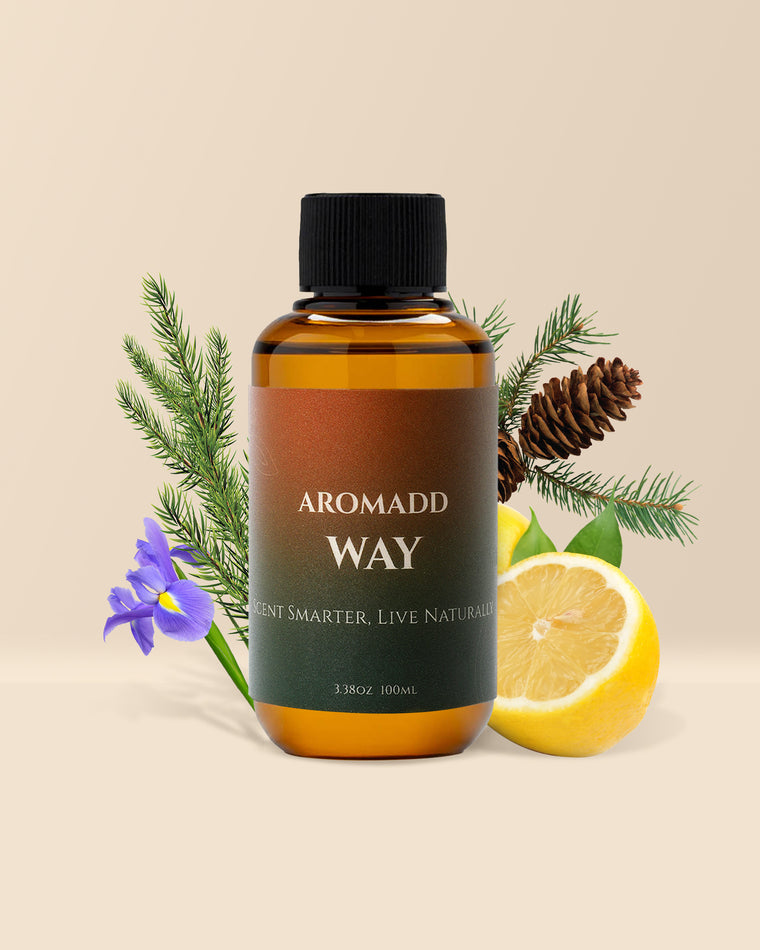
Aromadd Way (MY WAY) diffuser oil

Aromadd Way (MY WAY)

My Way | From Vibrant to Subtle, Define Your Ambiance A lively opening burst of lemon and verbena smoothly mingl...

WoodyHotel InspiredYear-Round
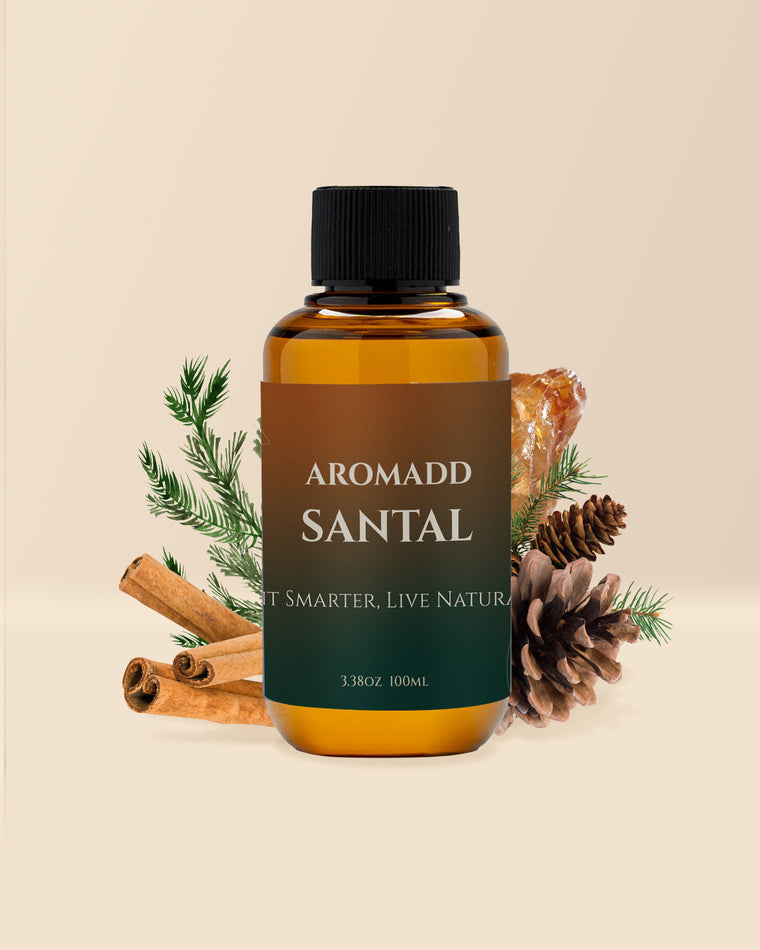
Santal diffuser oil

Santal

Our 100ml plastic bottle of Sandalwood essential oil captures the luxurious scent of high-end hotels. Extracted fr...

WoodyHotel InspiredYear-Round

05 · Oil Use & Bottle Size

Choose a bottle size for the way you scent your space.

Oil use follows the diffuser’s output and operating schedule. Start with the amount that fits how you plan to use the scent, then let your regular routine guide future refills.

10 ml

Explore a scent

Try the fragrance in your own space before moving to a larger bottle.

100 ml

Keep more flexibility

A practical size when you rotate fragrances or keep several scents in use.

200 ml

Stay with a favorite

More oil on hand for a fragrance you use consistently in your routine.

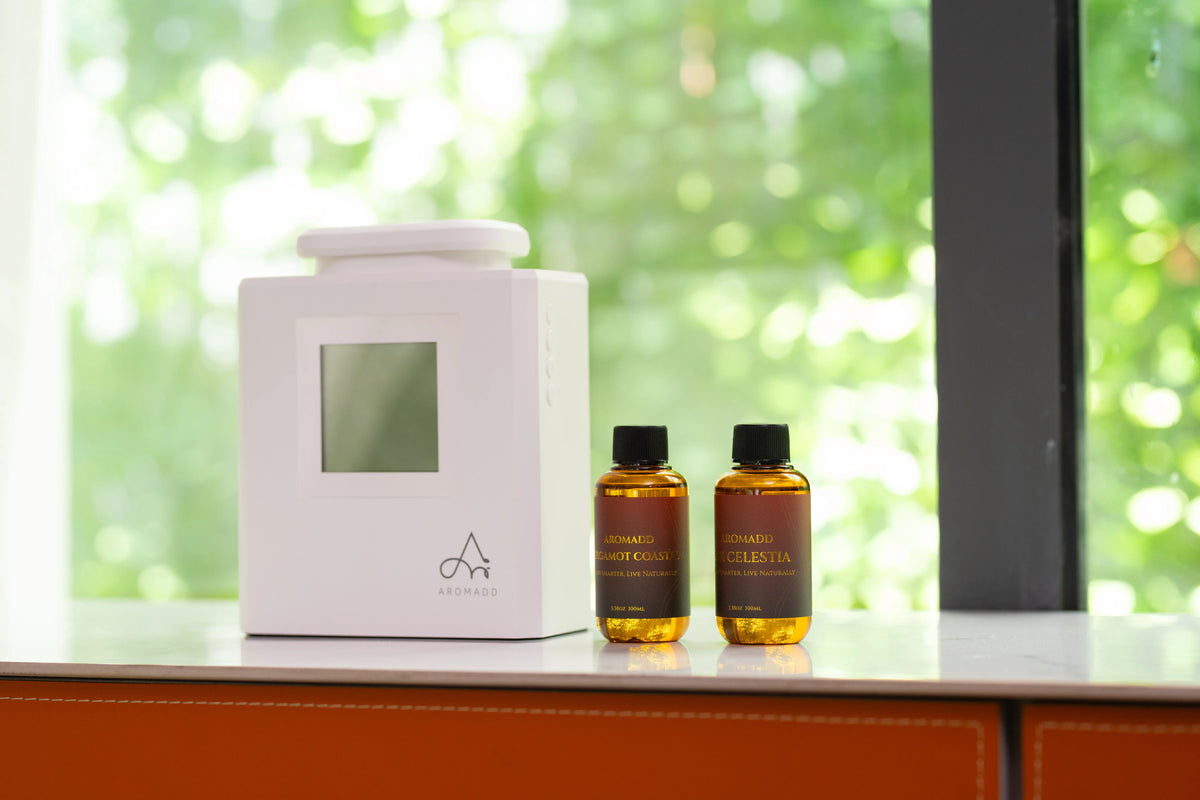
Aromadd scent diffuser and fragrance oils in a home interior

Your settings shape how quickly oil is used.

Output

Higher output moves more fragrance through the diffuser while it runs.

Schedule

More active time during the day increases total oil use.

Coverage

Larger scenting areas may call for stronger output or longer operation.

07 · Oil troubleshooting

The Oil Issues We See Most Often

Drawing on Aromadd’s years of experience with scent diffusion systems, we’ve organized the recurring oil-related issues we see most often in real-world use. Start with the symptom you notice, then follow the checks below to narrow down whether the cause is oil compatibility, scent-path residue, room distribution, or the diffuser itself.

Most common issuesQuick access
No matching symptom found.Try a broader word such as “mist”, “scent”, “oil” or “leak”.

09 · Related guides

Want to learn more? Read our Fragrance Oil guides

Continue into the topic cluster: fragrance oil basics, waterless diffusers, sample sets, and diffuser oils.

View all Fragrance Oil posts →

Aromadd scent oil guide

Ready to choose an oil that fits your diffuser?

Start with Aromadd diffuser oils or use sample sets to test scent direction before choosing a full bottle.