Fall scents can be as crisp as freshly picked apples, as comforting as warm baking spices, or as quietly grounded as cedar and amber. For home fragrance, the classic scents of fall fall into four distinct directions: pumpkin spice, orchard fruit, creamy gourmands, and dry woods. Not all of them need to smell like dessert. Warmth and sweetness are different qualities, and understanding that distinction makes it easier to find an autumn fragrance you'll enjoy living with. Once you've found your preferred direction, a simple Keep, Adjust, or Switch approach can help you carry it from Halloween through Thanksgiving and into winter—without replacing your fragrance every time the calendar changes.
What Are the Classic Scents of Fall?
Think of a fall scents list as a guide to mood and texture, not a rigid set of ingredients. Finished fragrances often move between categories depending on their complete scent profiles. Still, the four directions below make it easier to compare the sweetness, brightness, and depth that give autumn its familiar character.
| Autumn Direction | Typical Notes | Sweetness & Texture |
| Warm Baking Spice | Pumpkin, cinnamon, nutmeg, clove, ginger | Gently sweet to dry-spiced warmth |
| Orchard Fruit | Crisp apple, pear, mulled cider spices | Bright, juicy, and lightly tart |
| Cozy Gourmand | Vanilla, maple, caramel, brown sugar | Rich, creamy, and noticeably sweet |
| Dry Woods & Amber | Cedar, vetiver, amber, toasted smoke | Low-sweetness, structured, and grounded |
Pumpkin Spice and Warm Baking Notes
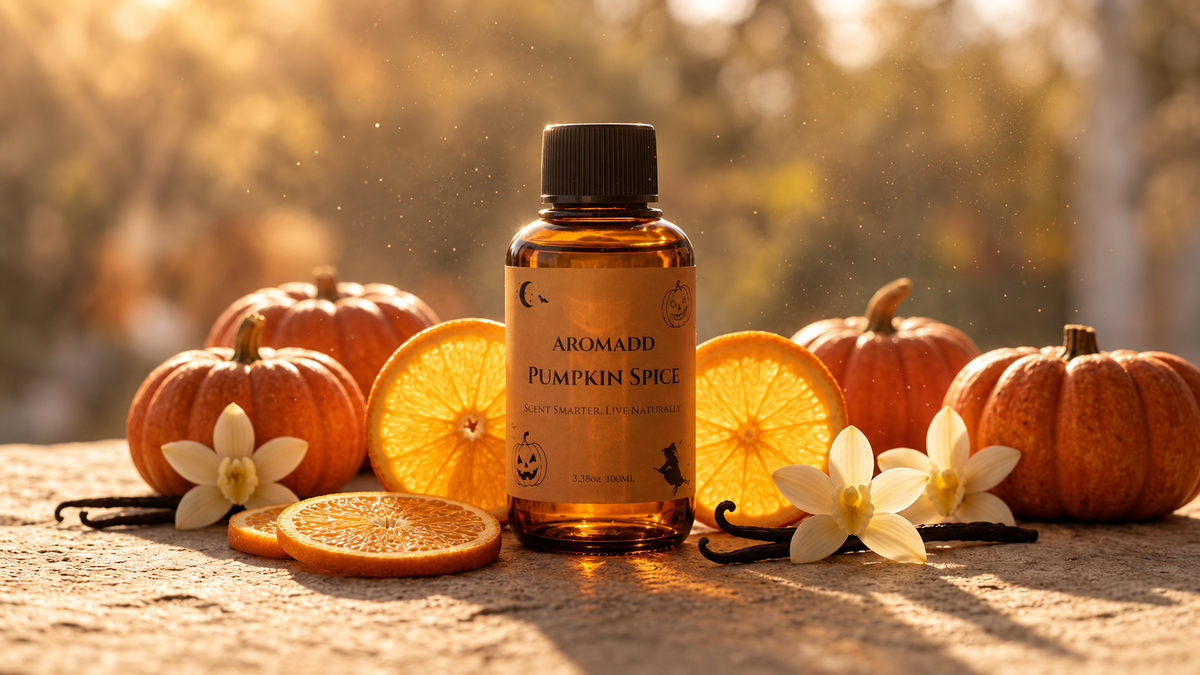
Few fall scents feel as immediately seasonal as pumpkin spice. Yet the fragrance can take on very different personalities depending on how its spices are balanced.
Cinnamon brings a familiar sweet-woody warmth, while nutmeg adds a soft, nutty roundness. Ginger gives the blend a brighter, slightly zesty lift, and clove contributes a deeper, sharper aromatic edge.
The difference lies in what surrounds those spices. Sweeter pumpkin or vanilla accords soften the composition, while darker spices create a more grounded impression. A pumpkin spice scent with a bright sweet-orange opening and gentle vanilla base feels lively and welcoming. A clove-forward blend, by contrast, leans toward the warmth of a fireside evening.
If you love autumn spice but dislike overly sweet fragrances, look for compositions where cinnamon, ginger, or dry woods lead rather than caramel or sugary vanilla.
Apple, Cider and Autumn Fruit
Orchard-inspired fall home scents bring a different kind of seasonal warmth—one that feels fresh before it feels cozy.
Crisp apple and autumn pear create a juicy, lightly tart brightness, reminiscent of an orchard on a cool morning. Add cinnamon, clove, or ginger, and that fresh-picked impression becomes something warmer: spiced cider, gently simmering fruit, or the familiar aroma of an autumn kitchen.
These are fragrance accords rather than the aroma of actual fruit juice, but the distinction between fresh fruit and warmed fruit remains useful when choosing a scent.
Because apple-and-spice combinations balance crisp fruitiness with familiar kitchen warmth, they can work well from early October through November gatherings. Choose brighter apple notes for a lighter daytime atmosphere, or cider-inspired blends when you want a richer seasonal character.
Vanilla and Maple: Cozy Gourmand Scents
For anyone who loves the aroma of fresh baking, vanilla, maple, caramel, and brown sugar capture autumn's more indulgent side.
These gourmand fragrances feel creamy, soft, and enveloping. But sweetness and spice are not interchangeable. Two blends can both contain cinnamon and leave entirely different impressions: cinnamon paired with dry cedar feels structured and woody, while cinnamon over maple and caramel becomes noticeably richer and more dessert-like.
When considering the best scents for fall, choose vanilla-and-maple profiles if you genuinely enjoy that bakery-style comfort. If heavy sweetness tends to tire your nose, look for a fragrance where warm spices or woods give the composition more definition.
Cedar, Amber and Smoke: The Less-Sweet Side of Fall
Autumn does not have to smell like pumpkin pie.
For a quieter interpretation of the season, dry woods and warm resins offer depth without relying on sugar. In these woody fall scents, cedar gives the fragrance a clean, dry timber character; vetiver adds an earthy, root-like edge; amber lends smooth, resin-like warmth; and toasted smoke accords recall the fading embers of a fireplace.
The result feels composed rather than sugary—more like a wood-paneled room on a cool evening than a bakery kitchen.
Smoky notes can feel intense in smaller spaces, so they are not for every preference. If you want a subtler direction, cedar and amber offer warmth with less of that toasted edge. Their understated character also makes them particularly easy to carry from fall into winter.
How to Choose the Best Fall Scents for Your Home
Finding the best scents for fall is less about following a bestseller list and more about choosing a fragrance you will enjoy beyond its first festive impression.

Start with two simple distinctions. First, do you prefer sweet gourmand comfort or dry, low-sweetness warmth? Then decide whether you want bright orchard freshness or deeper spice and woodland character.
This matters especially when choosing finished fall diffuser scents for everyday home fragrance. A maple-heavy gourmand may be exactly right when you want a cozy bakery atmosphere, while balanced apple-spice or cedar-amber offers autumn warmth without making dessert the main event.

Use the guide below to find the direction that suits your preferences.
| If You Prefer... | Primary Balance | Look For These Notes | What to Avoid or Compare |
| Classic autumn spice warmth | Warm · Gently Sweet | Pumpkin accord, cinnamon, nutmeg, ginger, soft vanilla | Compare heavy caramel/maple blends if you want spice to lead over sugar |
| Bright, daytime orchard freshness | Crisp · Fruit-Led | Crisp apple, autumn pear, light cinnamon or cider spice | Avoid dense clove or smoky woods that mask fresh fruit notes |
| A non-sweet, modern autumn mood | Dry · Structured | Cedarwood, vetiver, warm amber, light citrus peel | Skip vanilla, maple, and buttercream gourmand directions |
| Deep evening fireside atmosphere | Rich · Resinous & Woody | Amber, myrrh, guaiac wood, clove, or toasted smoke | Test in moderation first, as smoky notes read heavier than dry cedar |
Which Fall Scents Work Into Winter?
Moving from autumn into winter does not mean starting over.
Many fall and winter scents share the same warm foundations: spice, woods, amber, and resin. What changes is often the surrounding character—whether a fragrance feels fruity, sweet, dry, or unmistakably evergreen.
Instead of replacing every seasonal fragrance on a fixed date, use a simple Keep, Adjust, or Switch approach.
| Transition Action | Best-Suited Scent Directions | Seasonal Logic |
| Keep | Warm woods, amber, resin, balanced spice | Low-sweetness warmth works across autumn and winter |
| Adjust | Very sweet pumpkin or early orchard fruit | Move toward chai, cider-spice, or woody-spiced blends |
| Switch | Crisp pine, fir, and winter greenery | Introduce a distinct Christmas tree character |
Keep: Warm Woods, Amber and Balanced Spice
Some fragrances deserve a place in your home long after the seasonal decorations are put away.
Warm woods, amber, gentle resins, and balanced spices are especially easy to keep in rotation because they do not depend on a single holiday association. Cedar and vetiver bring dry depth, amber contributes warmth, and restrained cinnamon or clove can add a subtle seasonal accent.
A fragrance built around these notes can feel just as appropriate in January as it does in October.
The more useful question is not whether a scent is labeled for fall, but whether you still enjoy its character once the pumpkins and autumn decorations are gone. If a cedar-and-amber fragrance has become a comfortable part of your everyday space, there is little reason to replace it simply because winter has arrived.
How long a bottle lasts still depends on your diffuser settings and actual use. But choosing a fragrance you enjoy across seasons can make your home scent rotation simpler without tying every change to the calendar.

Adjust: From Halloween Pumpkin to Thanksgiving Warmth
The transition from Halloween ambiance to November rarely requires an entirely new fragrance direction.
Cinnamon, nutmeg, and ginger already connect many October scents with the familiar warmth of Thanksgiving home scenting. The difference often comes down to the notes surrounding those spices.

If you still enjoy cinnamon and ginger but no longer want a sugary pumpkin finish, keep the spice direction and change what surrounds it.
An apple-cider profile adds brighter fruit character. A chai-inspired fragrance retains the warmth of spice with a more tea-centered impression. Cedar and amber shift the balance toward a drier, woodier finish.
Switch: Add Evergreen or Drier Woods for Christmas
A more noticeable change makes sense when you want your home to announce the arrival of Christmas.
Pumpkin spice and orchard cider have their own seasonal charm, but neither creates the crisp, resinous needle impression of pine, fir, or cypress. If a freshly decorated Christmas tree is the atmosphere you have in mind, changing your fall diffuser scent to a fresh evergreen direction—such as a classic Christmas Tree fragrance or pine-and-berry blend—creates that recognizable shift.

But evergreen is a preference, not a requirement.
If you find sharp pine notes too brisk, there is no reason to abandon dry cedar, myrrh, amber, or warm spice. Those fragrances can feel entirely at home throughout winter without adopting an overtly Christmas-themed character.
Ultimately, let the fragrance guide the transition rather than the date: keep the woods and amber you already love, adjust sweetness or fruitiness when your preferences change, and switch to evergreen only when you want that unmistakable Christmas tree impression.

Leave a comment
This site is protected by hCaptcha and the hCaptcha Privacy Policy and Terms of Service apply.