Keep placement straightforward
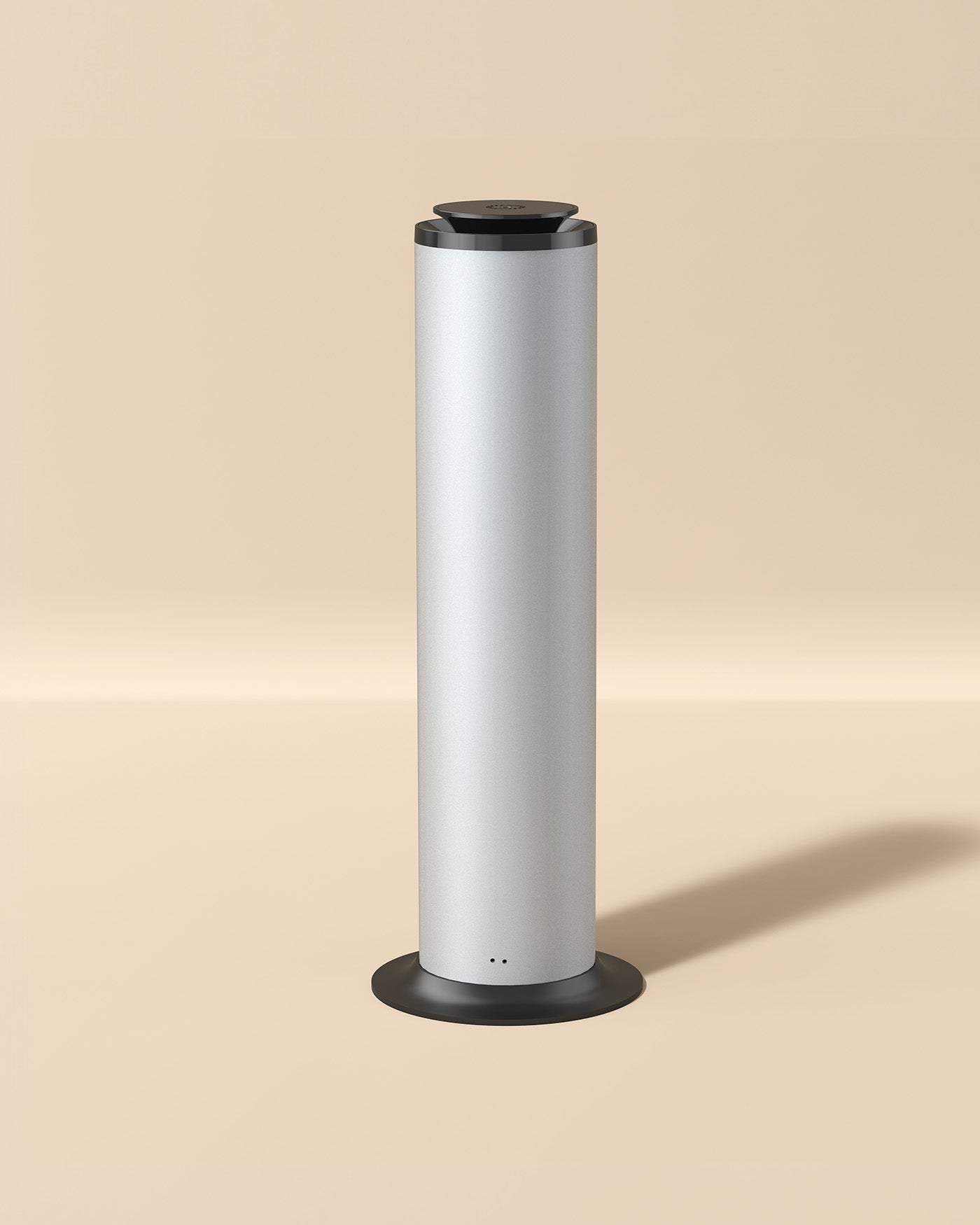
A freestanding scent machine may suit a reception area, store or showroom when power, airflow, security and refill access are practical.
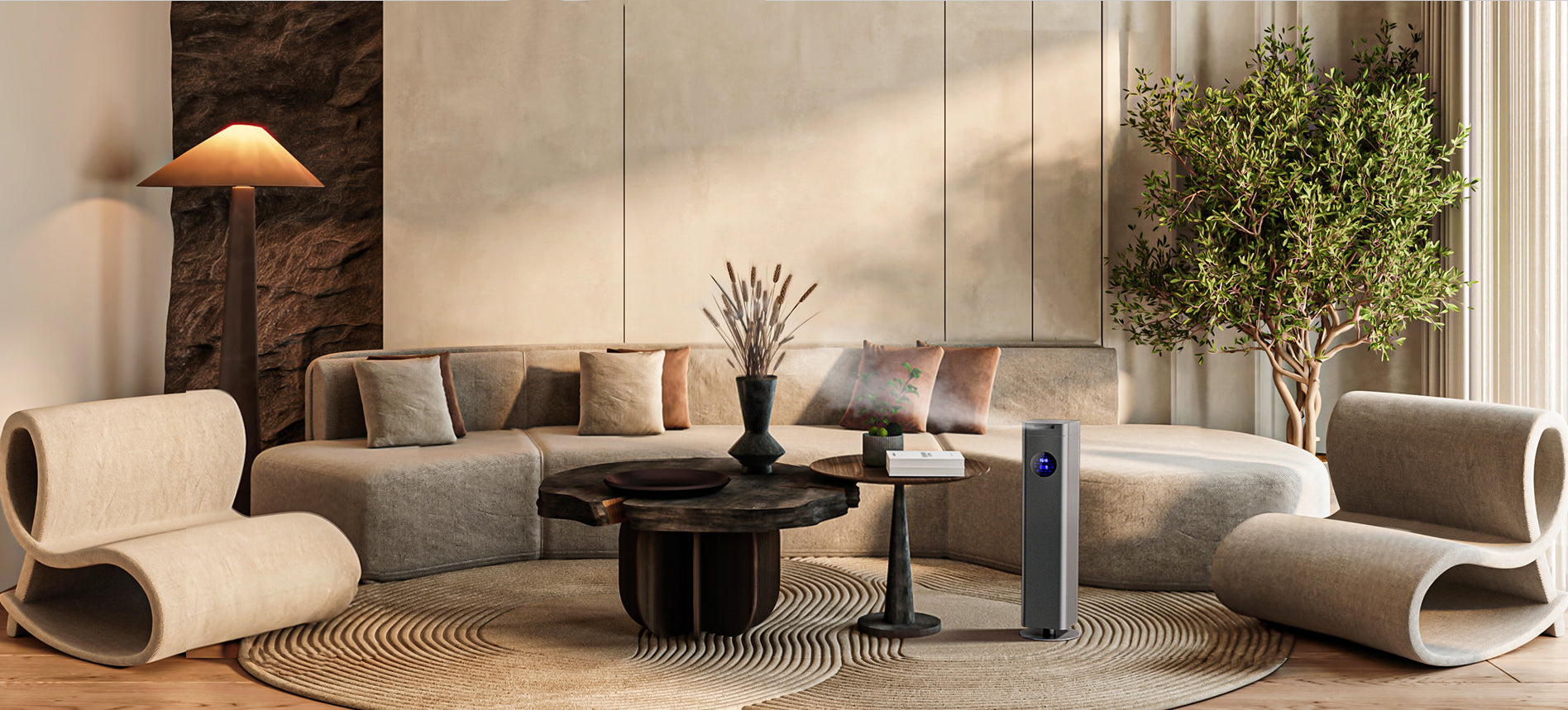
Explore Aromadd commercial scent diffusers for offices, hotels, retail spaces, showrooms and other shared environments. Compare freestanding, HVAC-integrated and digital-display systems by venue layout, operating schedule, fragrance oil capacity, controls and service access. Whether you are planning one customer-facing area or a multi-zone project, choose around the way the business operates rather than relying on coverage guidance alone.
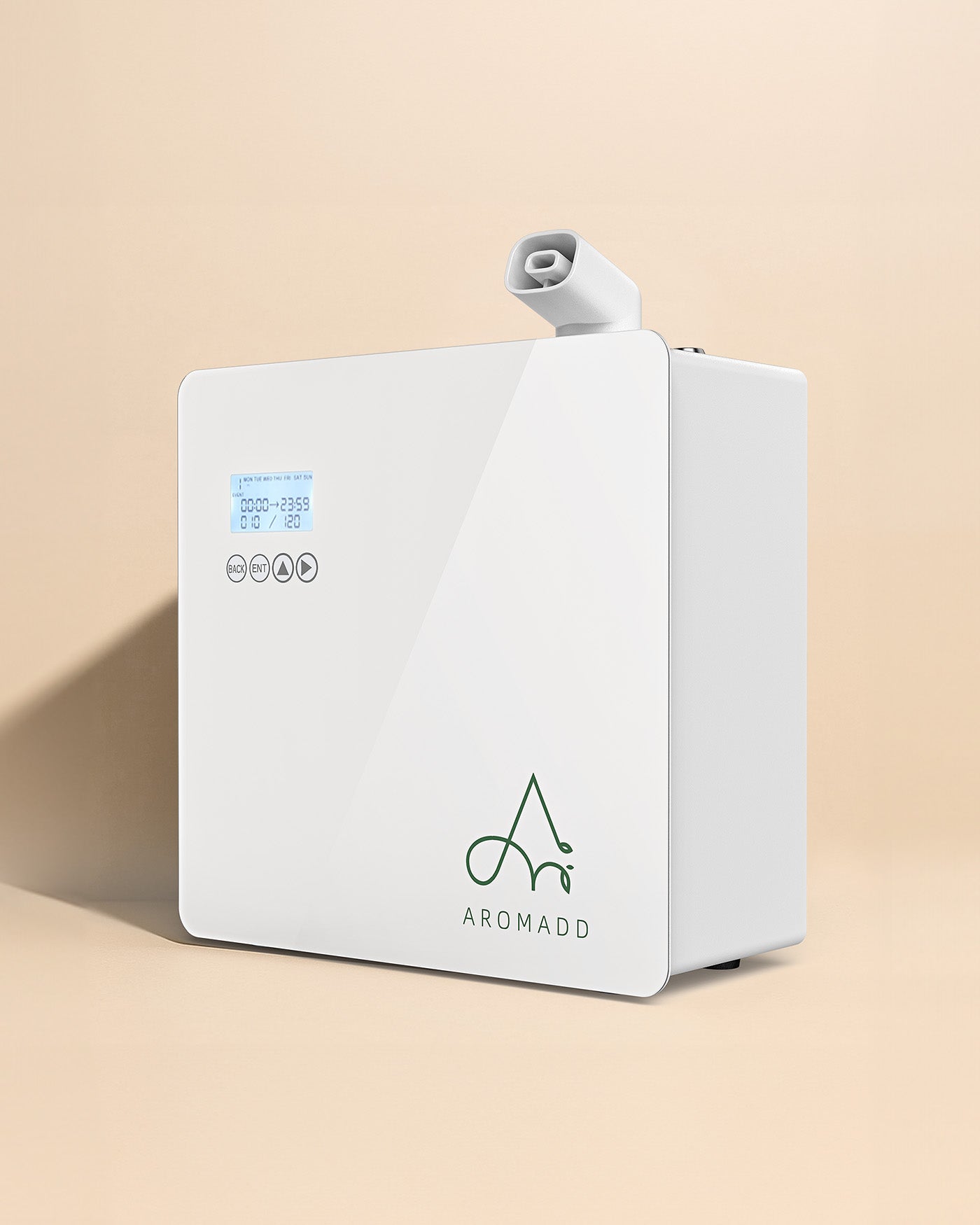
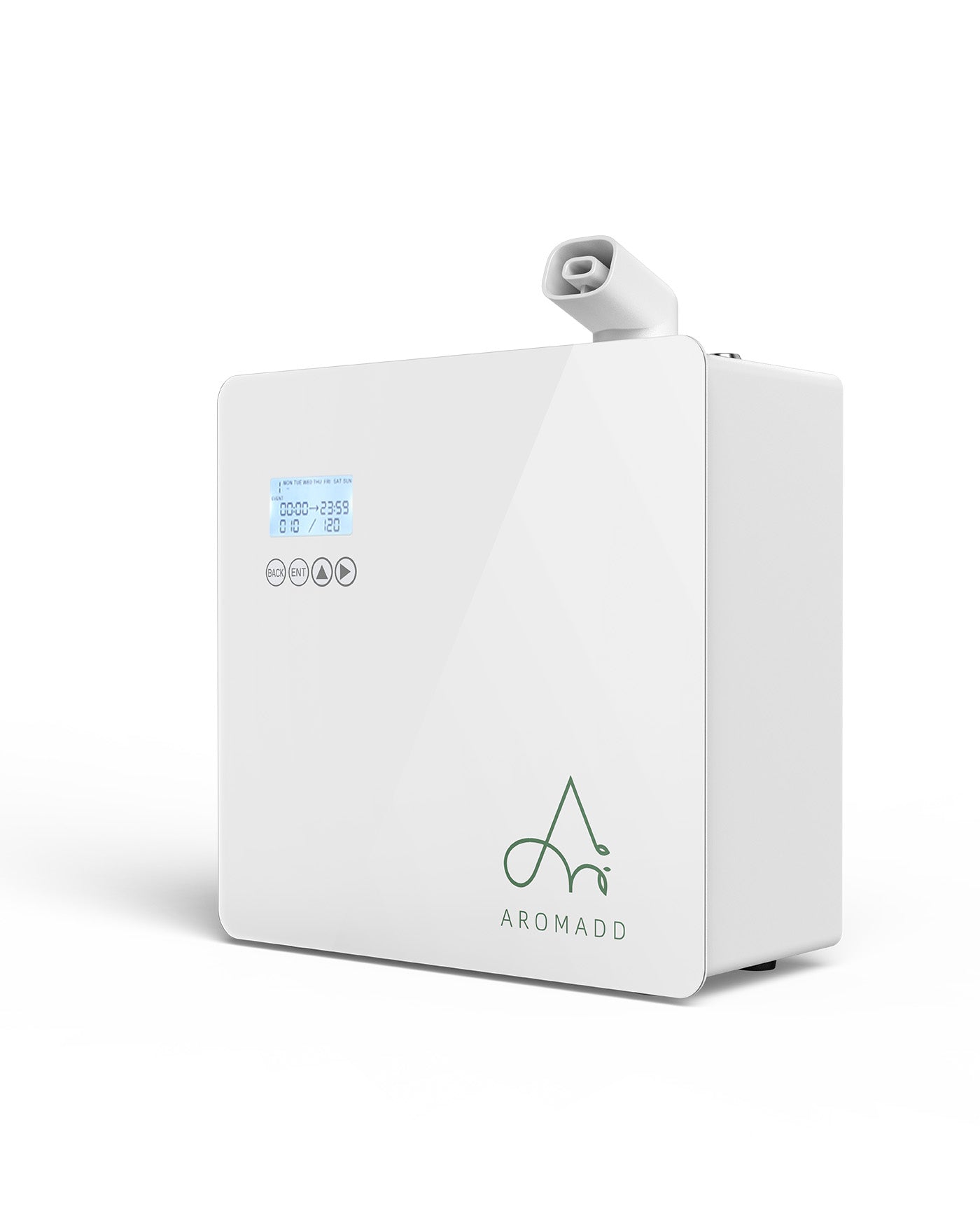
2 colors available
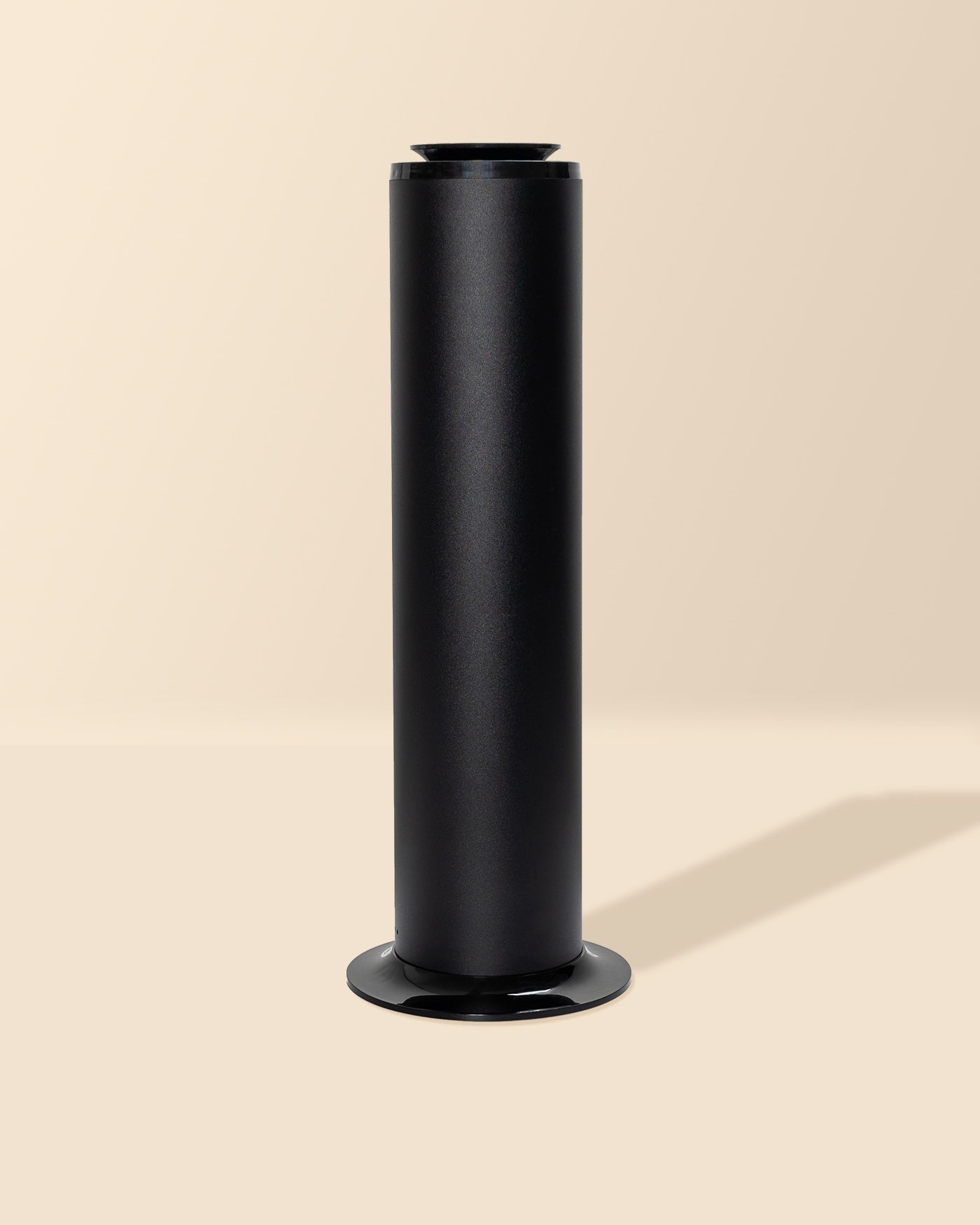
2 colors available


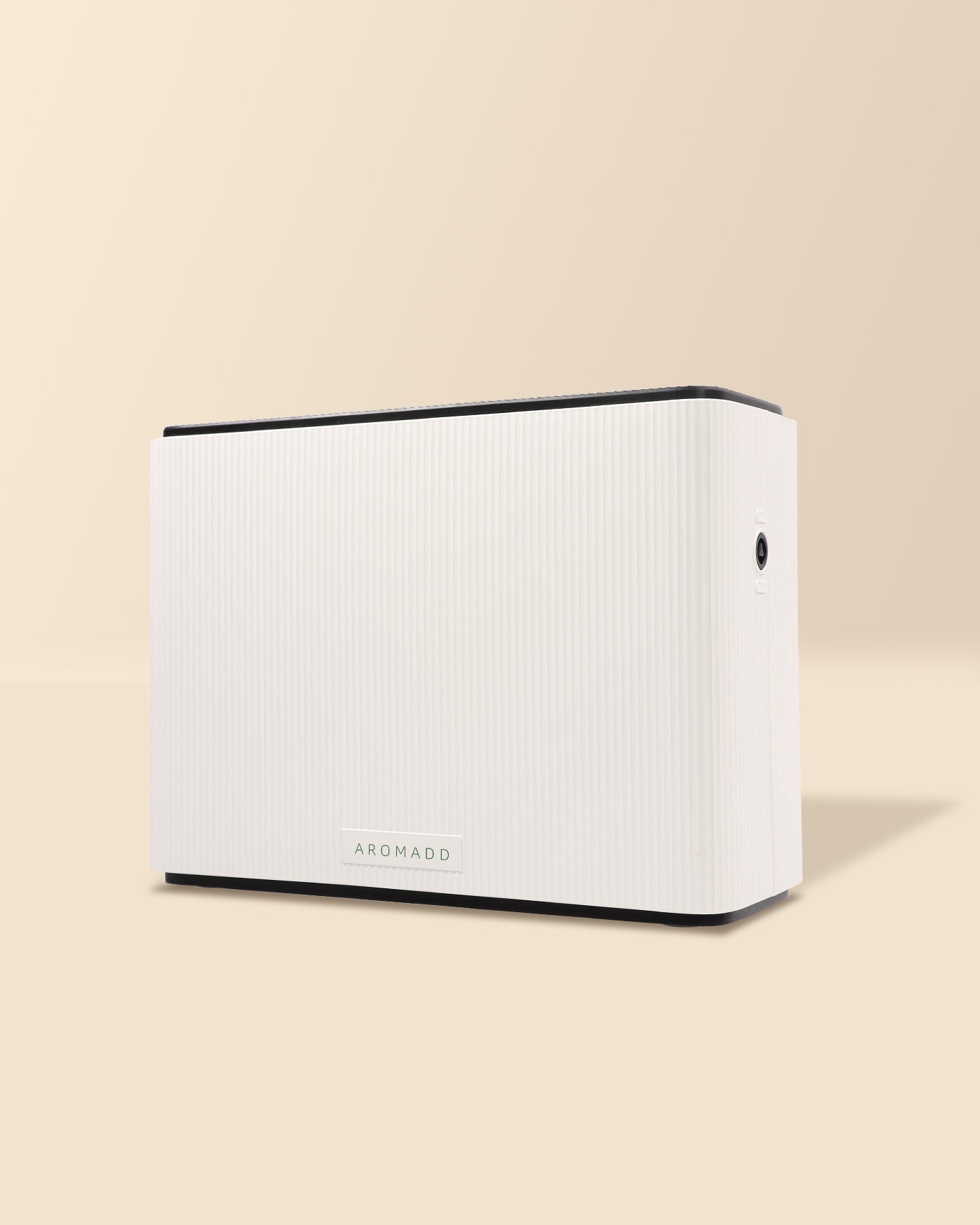
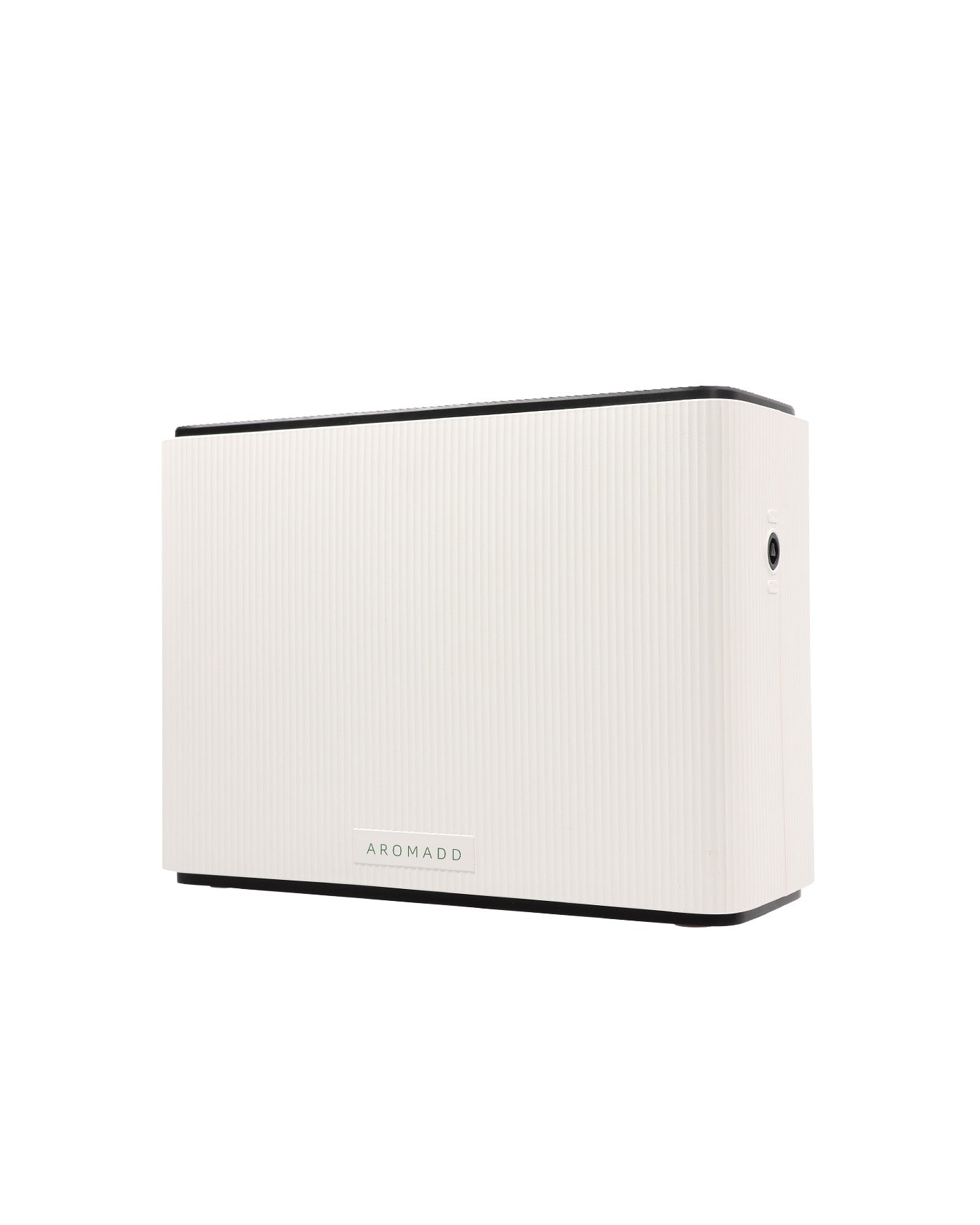
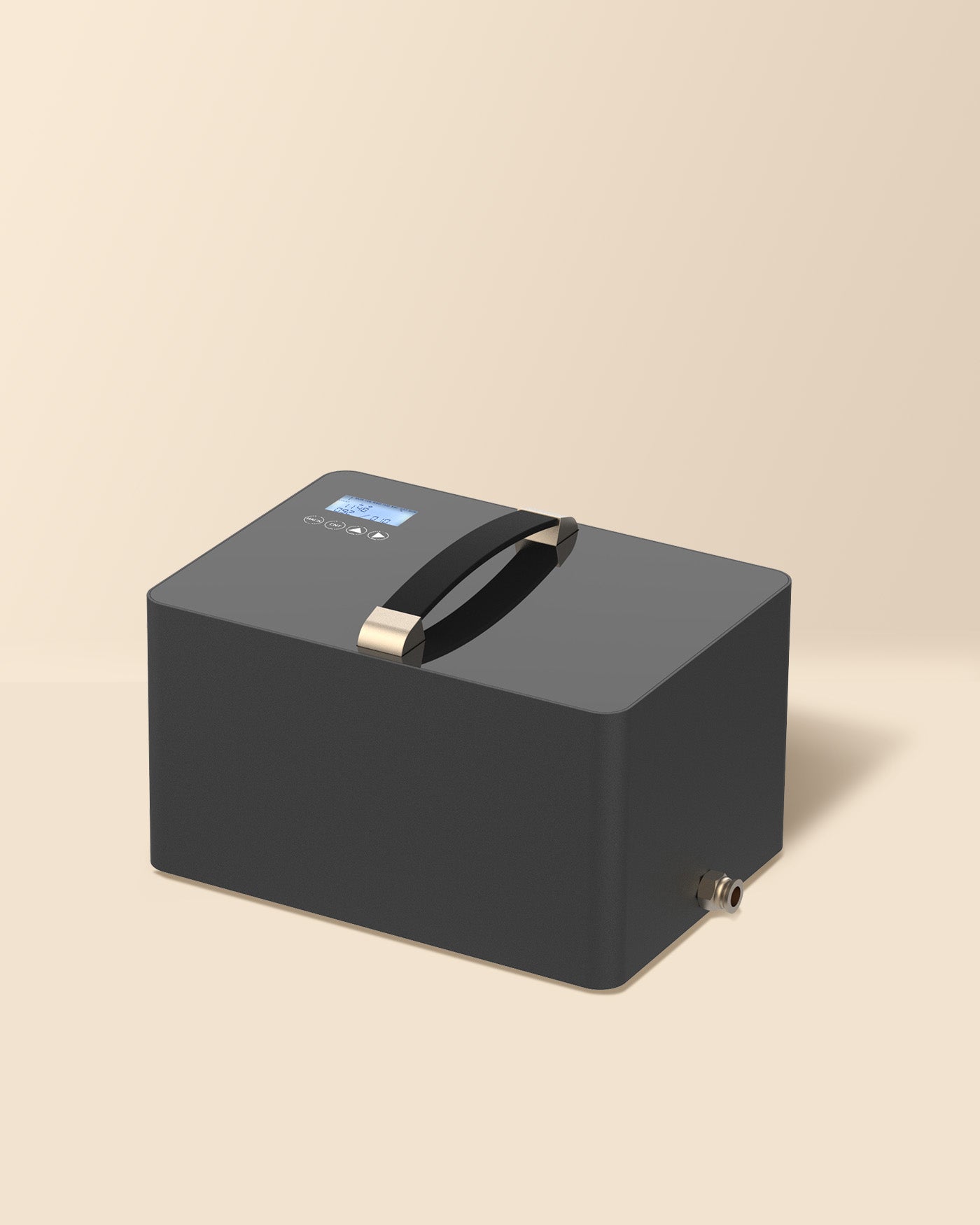
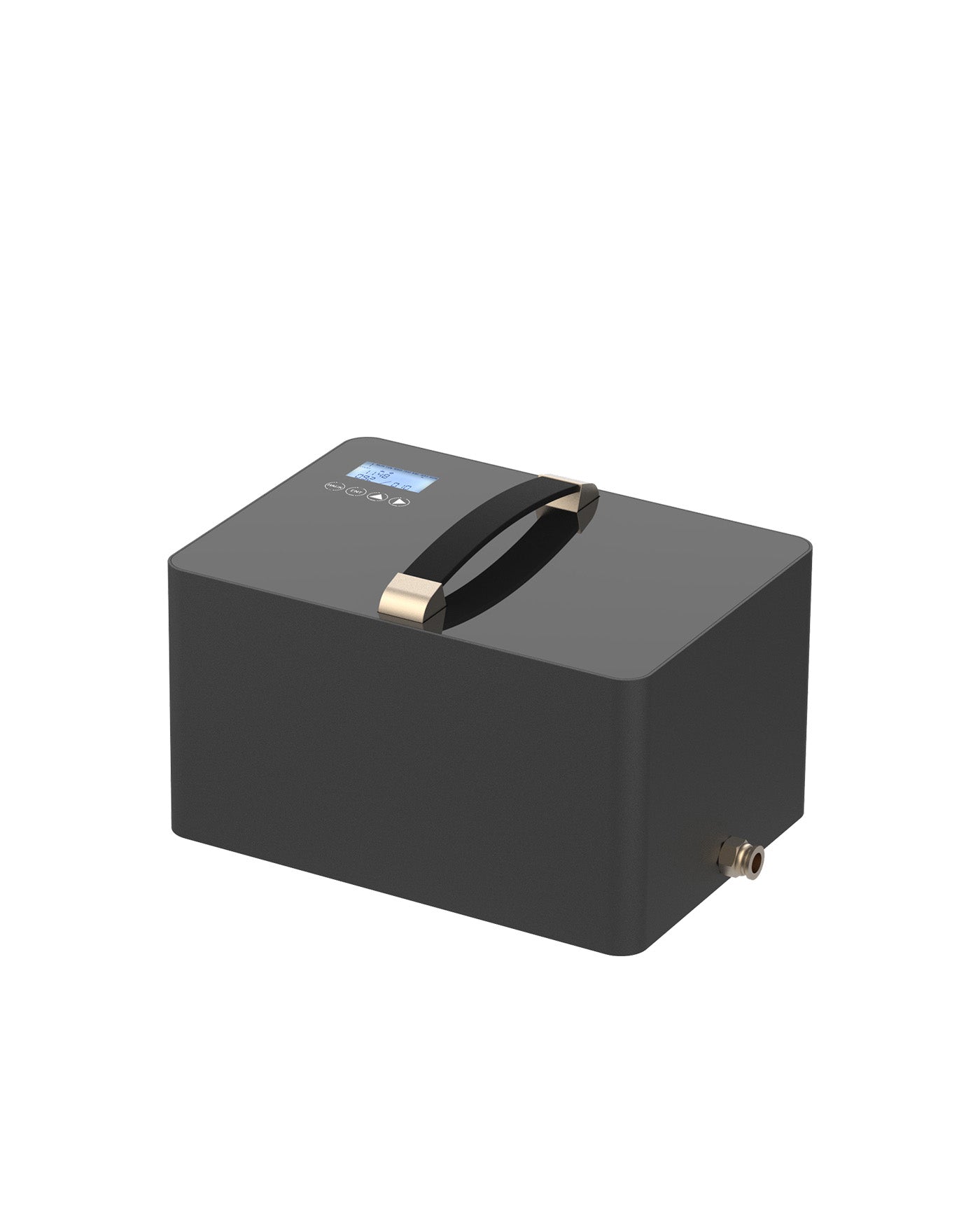
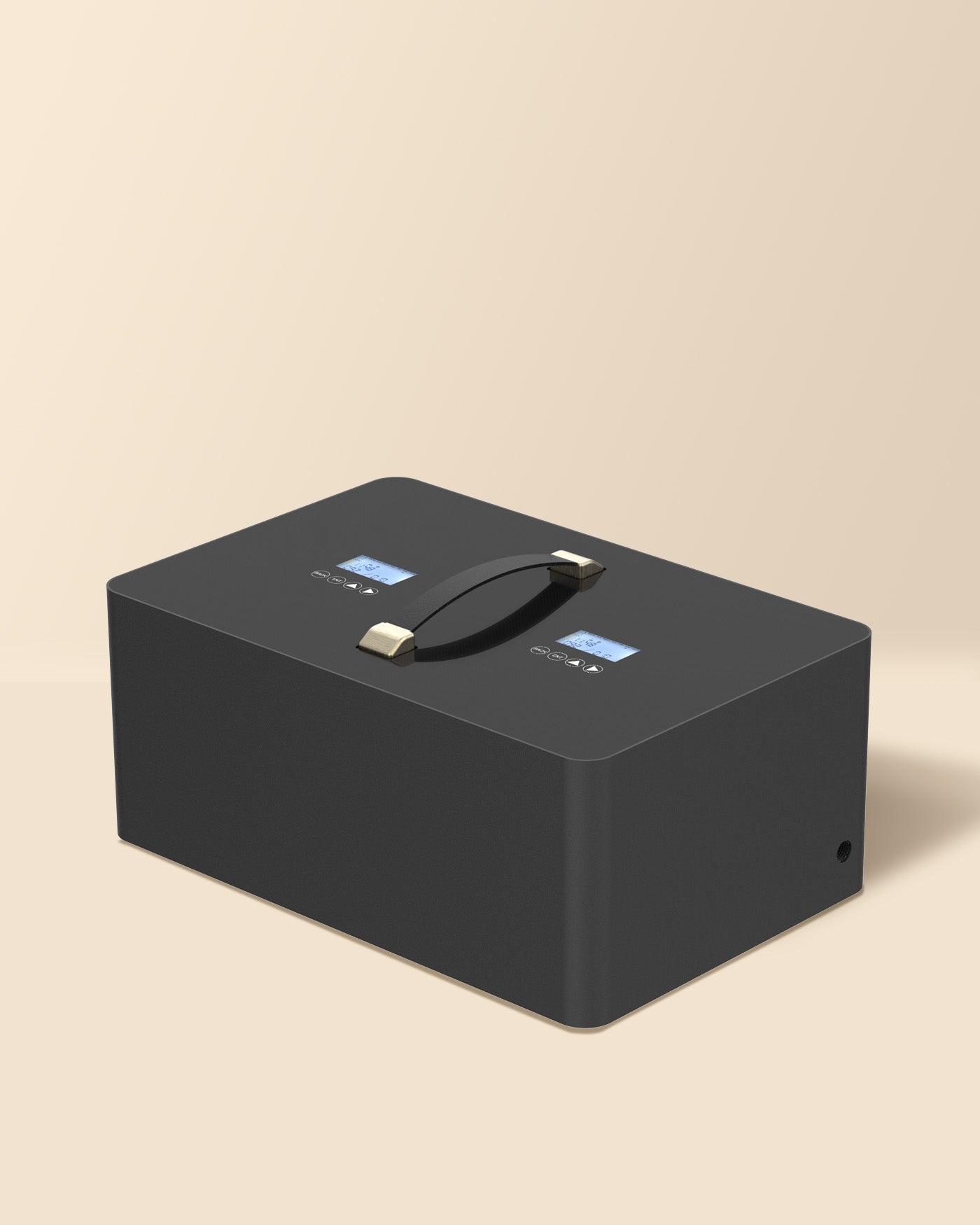
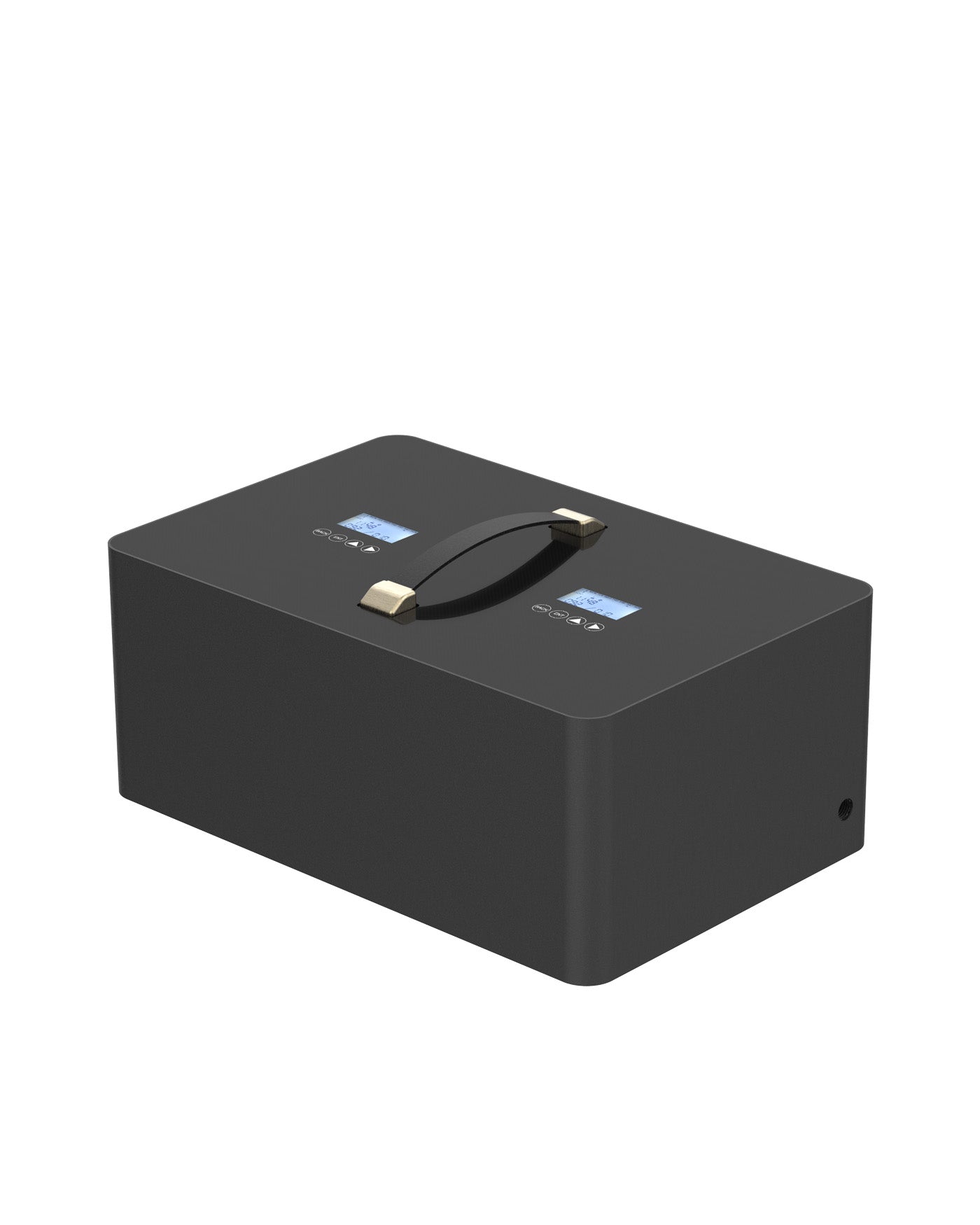
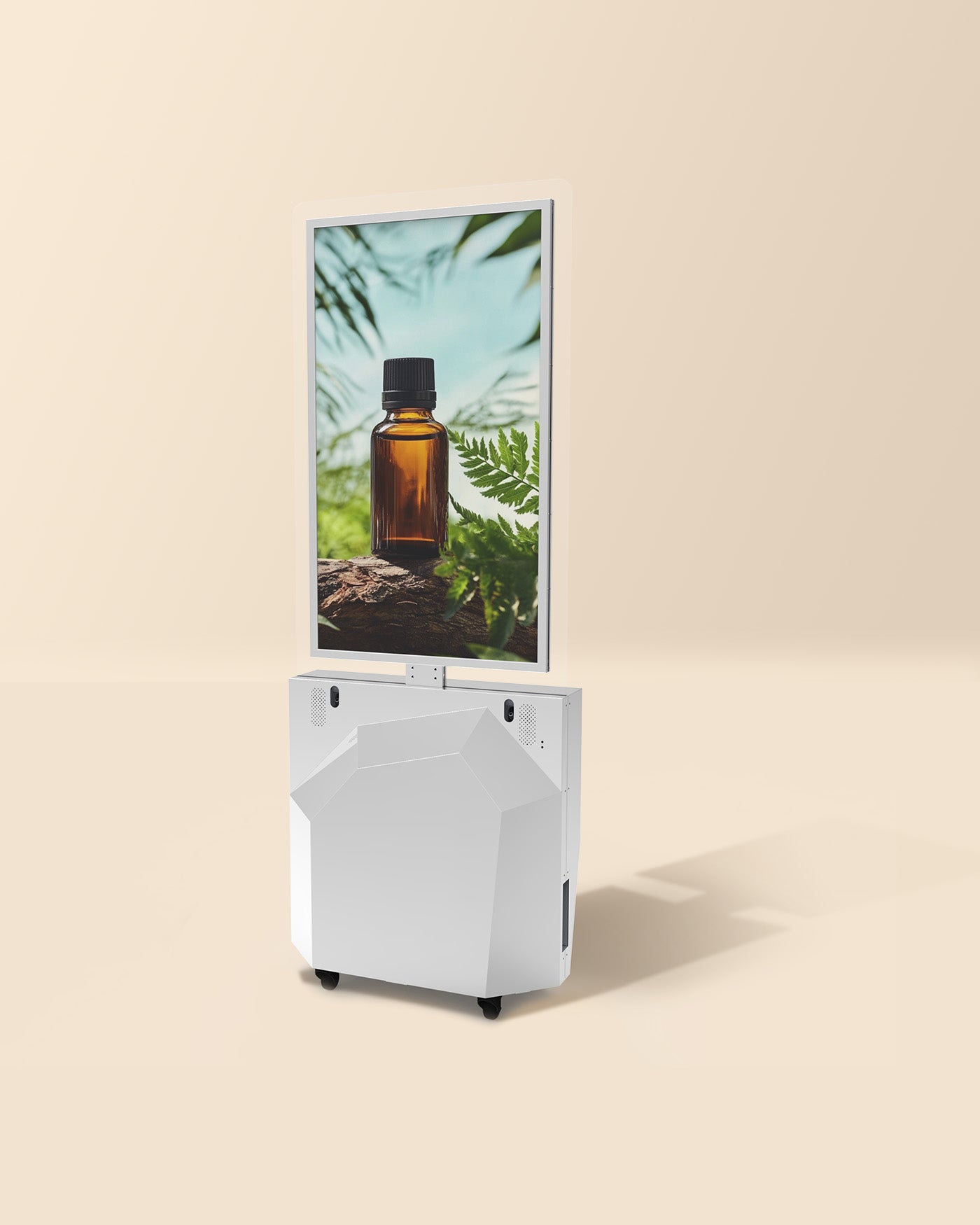
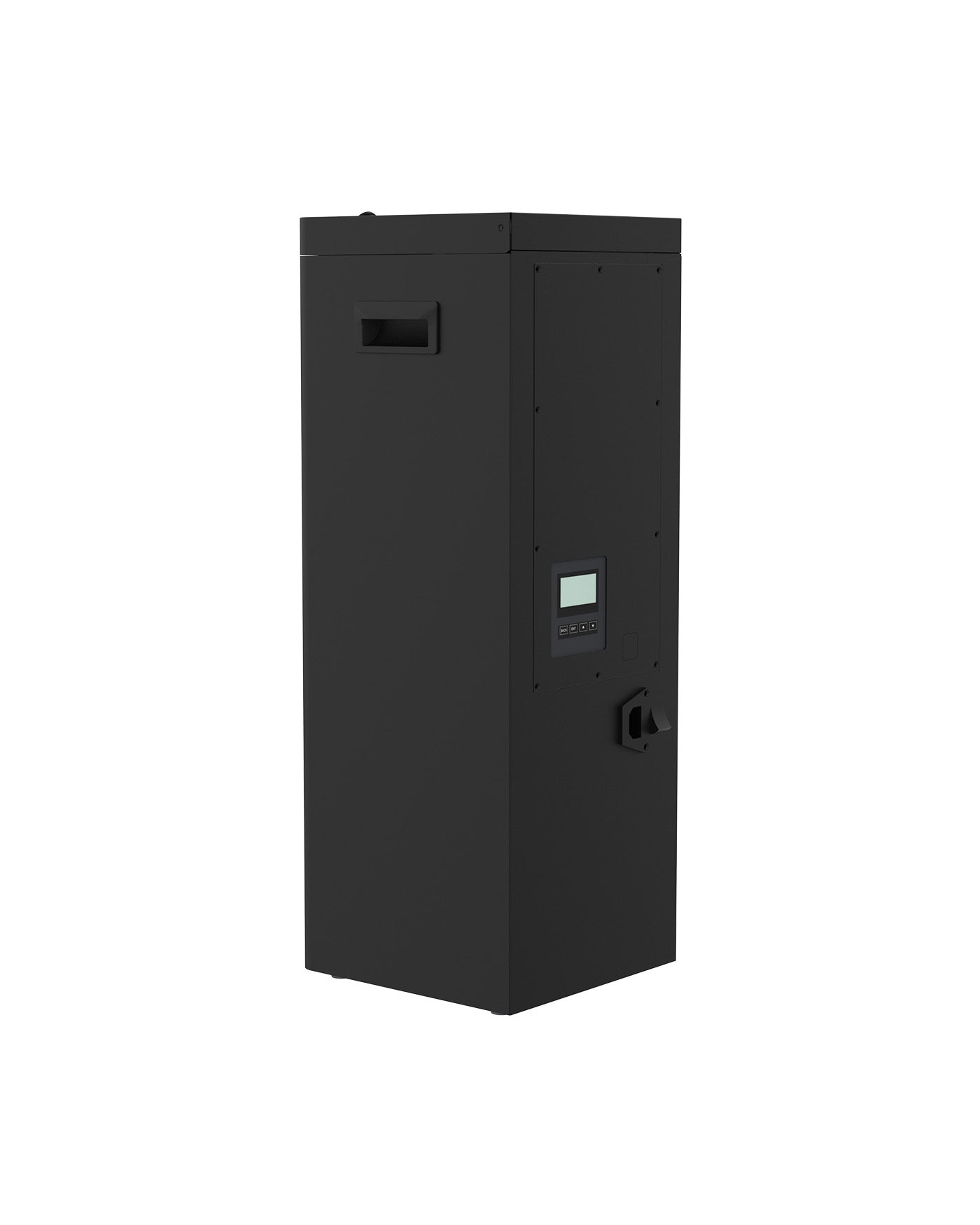
A commercial scent diffuser should fit the venue's daily operation, not only its floor area. Start with the customer-facing zones, business hours, airflow and the person responsible for the equipment. Then compare system format, placement, fragrance oil capacity, controls and access for refilling and service. Coverage guidance can narrow the choices, but the operating plan should come first.
The areas served and the way the business runs help determine whether a freestanding unit, integrated system or multi-zone project is the practical direction.
A freestanding scent machine may suit a reception area, store or showroom when power, airflow, security and refill access are practical.
HVAC-integrated equipment can suit connected areas when the building team confirms ductwork, zones, equipment location and service access.
Separate zones or venues may need different schedules and settings. Define shared selection and maintenance rules before choosing equipment for each site.
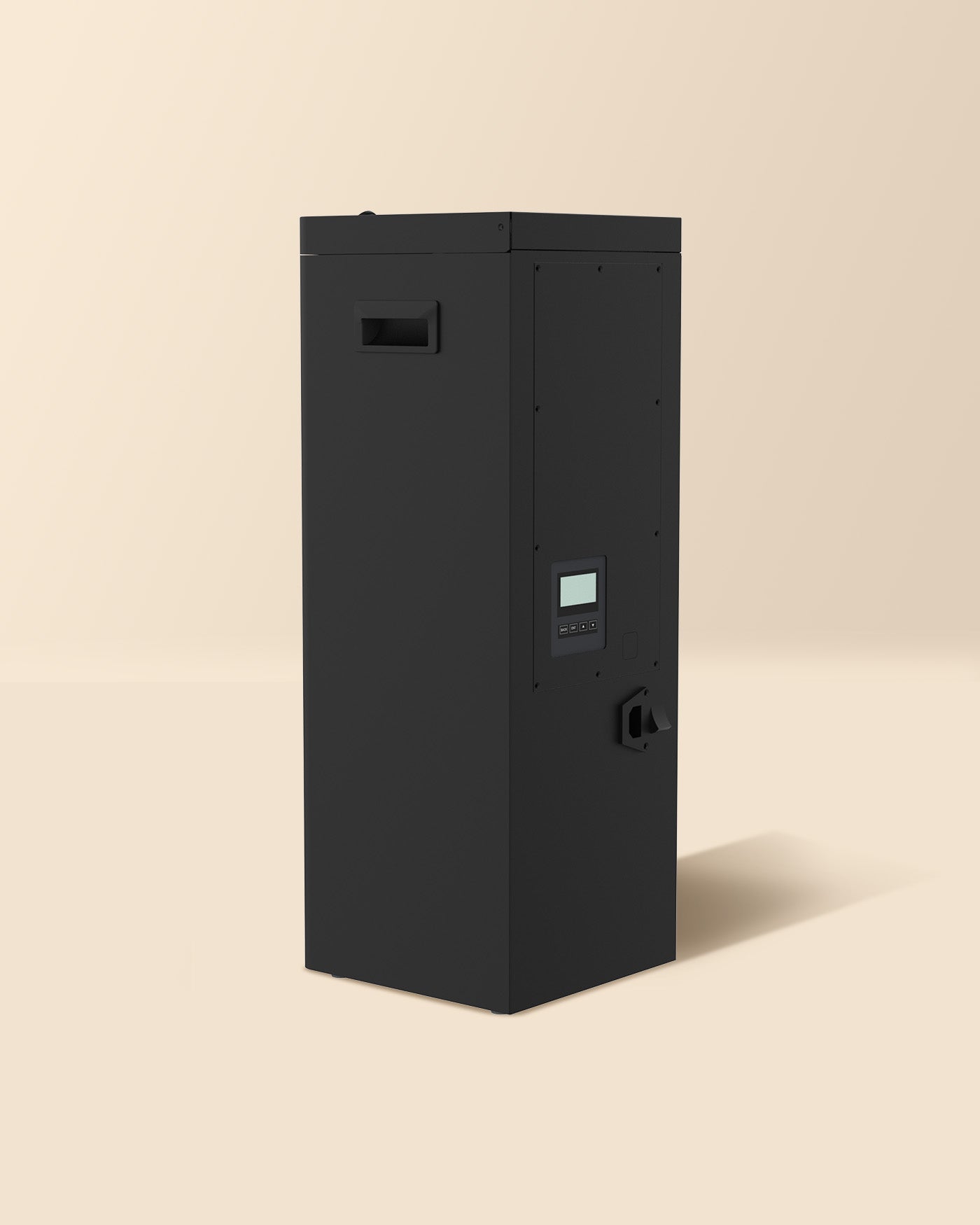
Freestanding models such as G-Air and OY-5 can serve a defined area without ducted distribution. U5, OV-10, U50, U100 and ScentStation move the comparison toward HVAC integration, zones, installation and service planning.
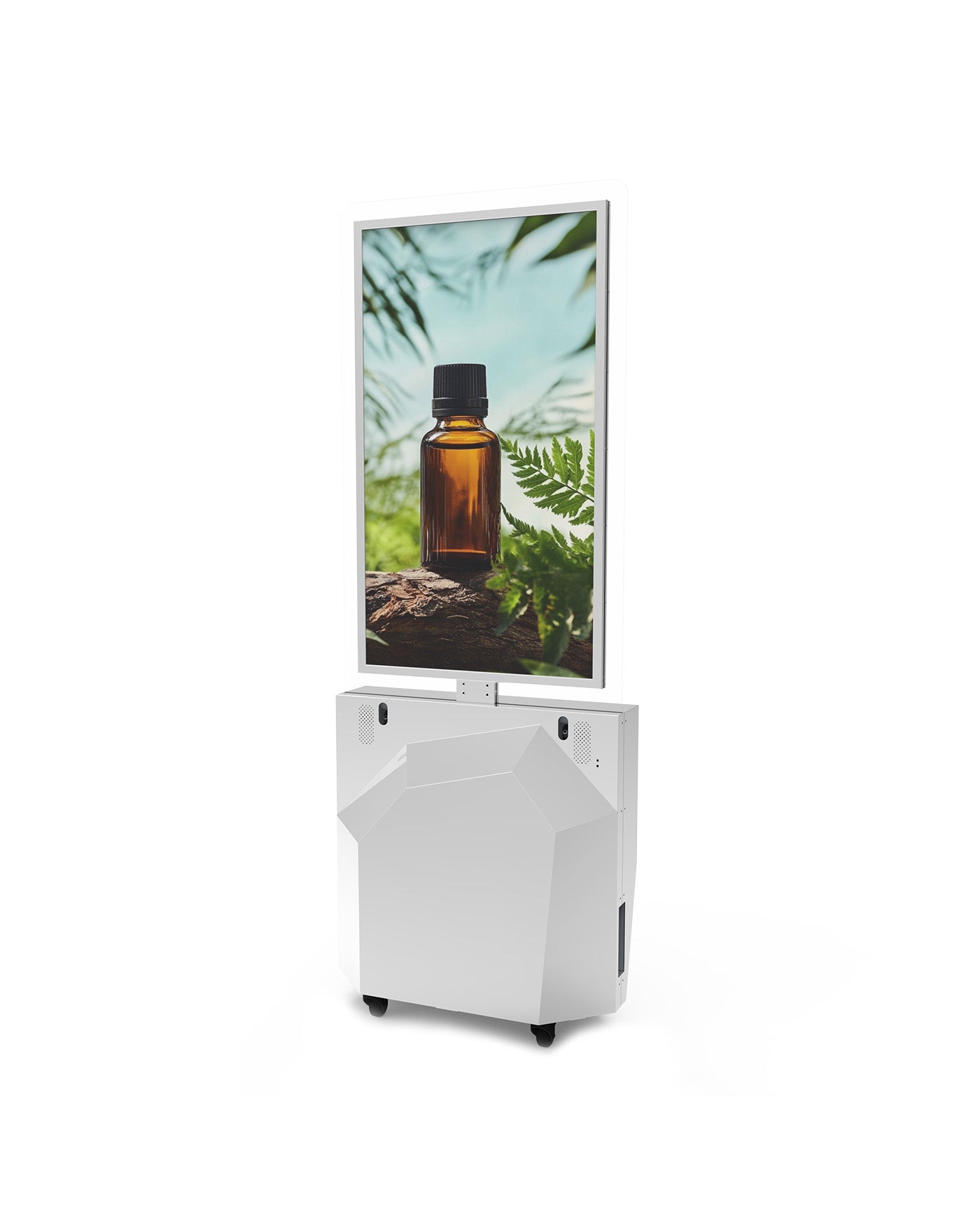
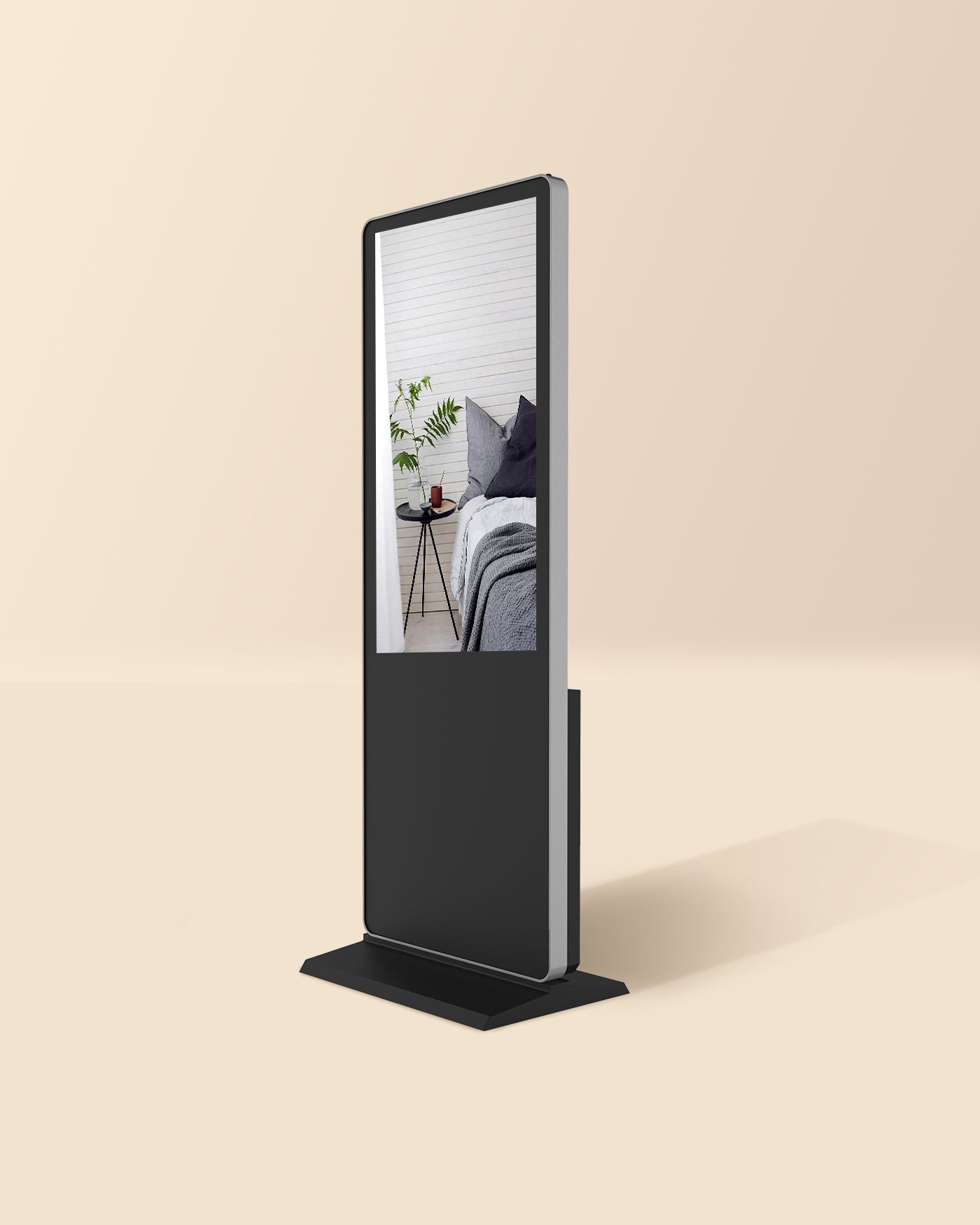
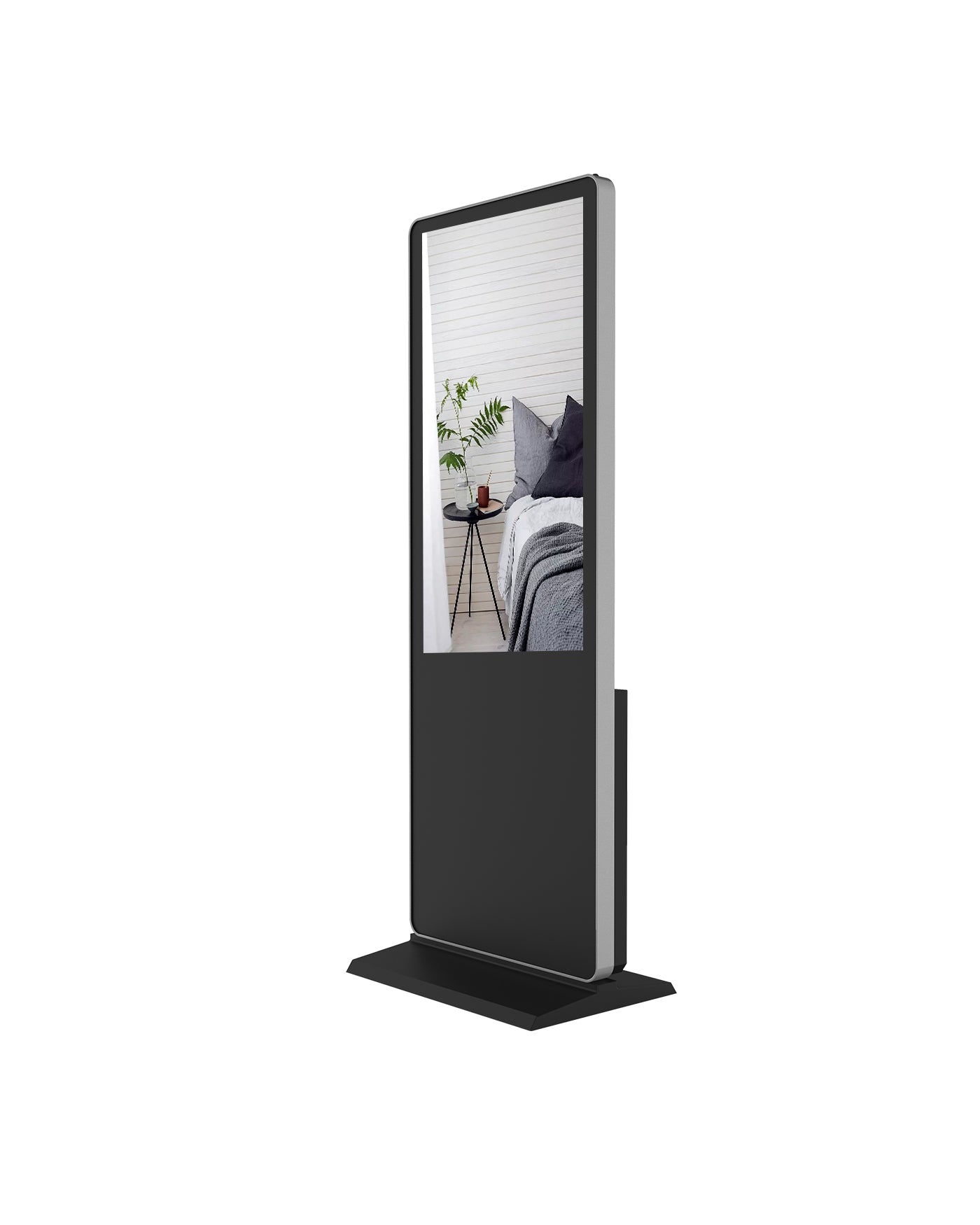
AD-SCENT and Ads-43 PRO combine digital display and scent functions. Choose this direction only when screen placement, content operation and fragrance service belong in the same project. Features remain model-specific across all three formats.

Document the venue, airflow and access conditions before using product capacity or coverage guidance to narrow the collection.
Identify entrances, reception, sales areas, corridors and back-of-house zones that should remain separate.
Consider open doors, occupancy changes, ceiling height, ventilation and separate floors or zones.
Plan a stable equipment position that supports power, security and the approved installation method.
Keep the fragrance oil, controls and cleaning points reachable without disrupting customer areas.
A practical commercial scent machine should fit opening, closing and peak periods. Compare controls by model rather than assuming every product offers the same remote functions.
Decide when the system should operate and whether opening, peak and closing periods require different settings.
Compare local buttons, App, Bluetooth, Wi-Fi, touch controls and scheduling only where listed for the model.
Confirm whether areas need independent control and who can adjust settings across the venue or multiple locations.
The right system can be refilled, cleaned and checked in its installed position. Confirm the exact product routine and assign responsibility before the venue begins using it.
This collection serves commercial operations. A more specific category may be clearer when the requirement is limited to one room, ducted distribution or a digital display project.
A large-room scent diffuser may be sufficient when one open interior is the complete brief.
Choose the HVAC category when ductwork, connected rooms and distribution zones are the main decision.
Use the digital signage category when visual content, screen placement and dual scent operation lead the project.
A commercial scent diffuser is fragrance equipment selected for a business or public environment. The decision usually considers customer areas, operating hours, placement, controls, fragrance oil capacity, security and maintenance access rather than only personal-room use.
Start with the venue type, customer-facing areas, business hours, airflow and the person responsible for service. Then compare freestanding, HVAC-integrated and digital-display formats by placement, controls, fragrance oil capacity and access for refilling and cleaning.
A freestanding model can be simpler for one defined area with practical floor placement. Consider HVAC-integrated equipment when compatible ductwork must serve connected areas or zones. Confirm the building layout and exact product requirements before ordering.
It depends on the venue layout, airflow, doors, zones and the product design. Map the areas and operating schedule before using coverage guidance to decide. Several zones may require integrated distribution, independent controls or more than one device.
Frequency depends on fragrance oil capacity, intensity, business hours, schedule, airflow and the areas served. Follow the instructions for the exact model, monitor actual use and assign someone to check oil, settings, cleaning and service access.
Return to the products to compare the current systems, or contact Aromadd with the venue type, target areas, business hours, airflow, installation preference and maintenance plan if you need help narrowing the options.