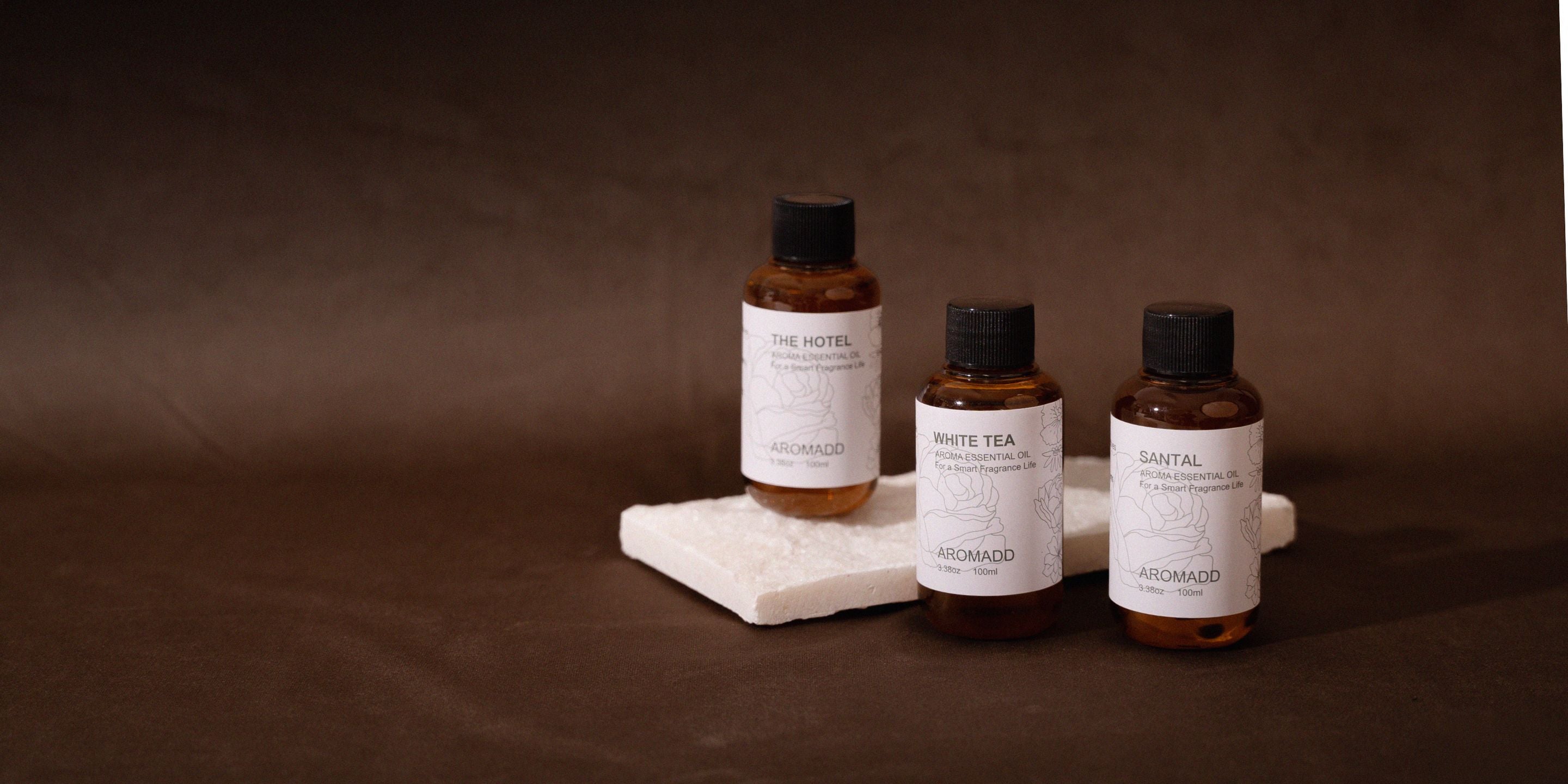
Essential Oils 101: Your Guide to Aromadd's Pure Essential Oil Basics & Buying Tips
Welcome, fragrance explorer. Essential oils, fragrance oils, and blends offer many scent profiles, but their labels, intended uses, and device compatibility can differ. This guide explains the basic categories and the information to review before choosing an oil for room scenting.
At Aromadd, our goal is to make product information and diffuser compatibility easier to understand. Use this guide as a starting point, then check the label and model-specific instructions before use.
Part 1: The Absolute Basics - What are Essential Oils?
Essential oils are concentrated aromatic materials obtained from plant sources such as flowers, leaves, bark, roots, or fruit peels. Their composition, intended use, and labeling can vary by product.
Essential oils are not "oils" in the traditional sense. They are volatile aromatic compounds, meaning they evaporate quickly at room temperature. This is what allows them to be diffused into the air so effectively.
Part 2: Why Product Information and Compatibility Matter
When you are first getting started, you may encounter essential oils, fragrance oils, perfume oils, and finished blends. Read the product description carefully instead of relying on a single marketing term.
- Essential Oils: These are aromatic materials obtained from plants. If a product is marketed with a purity or composition claim, review the ingredient information and any product-specific batch documentation supporting that claim.
- Fragrance or Perfume Oils: These are formulated scent products that may contain natural and synthetic aromatic ingredients. Suitability depends on the intended use, label directions, ingredient disclosures, and diffuser compatibility.
- Diluted or Blended Products: Some products combine aromatic materials with carriers, solvents, or other fragrance components. This is not automatically a defect, but the formulation and intended use should be stated clearly.
Review the ingredient information and available batch documentation on each Aromadd product page before choosing an oil. Product-specific documentation should support any purity, composition, or testing claim.
Part 3: Essential Oil Types for Beginners - Your Aromatic Starter Kit
As a beginner, start with a few versatile scent profiles and compare their labels, intended uses, and compatibility. Here are several commonly selected profiles and room-setting ideas:
- Lavender: A soft floral and herbal profile often chosen for bedrooms, reading spaces, and evening settings.
- Common settings: Bedrooms, reading areas, and spaces where a softer floral atmosphere is preferred.
- Peppermint: The revitalizer. It has a fresh, invigorating scent.
- Common settings: Workspaces, morning routines, and rooms where a crisp mint profile is preferred.
- Lemon: A bright citrus profile often used to create a fresh-smelling atmosphere.
- Common settings: Kitchens, entryways, and other spaces where a bright citrus scent is preferred.
- Eucalyptus: A strong herbal profile with a crisp, spa-inspired character.
- Common settings: Bathrooms, home spa routines, and spaces where a strong herbal scent is appropriate.
- Tea Tree: A sharp herbal profile with a medicinal-smelling character.
- Common settings: Utility areas or other spaces where a sharp herbal scent is preferred. A diffuser adds fragrance and is not an air cleaner.
Part 4: How to Choose Essential Oils: Smart Tips for Your First Purchase
With so many brands out there, knowing how to choose essential oils can be tricky. Here are a few key things to look for:
- Review the Product Description: Check the ingredient information, intended use, warnings, and any available documentation for composition or batch testing.
- Look for the Latin Name: A pure essential oil bottle should have the plant's botanical name (e.g., Lavandula angustifolia for Lavender). This ensures you're getting the right species.
- Note the Country of Origin: Origin information can improve traceability, but it does not by itself establish quality or suitability.
- Buy from a Reputable Brand: A brand that is transparent about its sourcing, testing, and production process is a brand you can trust.
What to Check on Aromadd Product Pages:
Before choosing an Aromadd oil, review the information available for that specific product:
- Composition: Review the ingredient information and available batch documentation.
- Sourcing: Review any origin and supplier information provided for the product.
- Testing: Treat testing claims as product-specific and look for the corresponding batch report when available.
- Compatibility: Confirm that the oil meets the requirements in your diffuser model’s official manual, including any viscosity, bottle, or formulation restrictions.
Ready to Start Your Journey?
With clear product information, you can start with a small set of scent profiles and pair them with a compatible Aromadd waterless diffuser. Begin at a low setting and adjust gradually for the room.
Explore the Aromadd fragrance oil collection and review each product label, intended use, and compatibility information before choosing.

Quick Product-Documentation Checklist
- Product category: essential oil, fragrance oil, perfume oil, or blend.
- Ingredient and allergen information available for the specific product.
- Intended use and diffuser-model compatibility.
- Batch number and supporting documentation when a composition or testing claim is made.
- Storage, ventilation, and household-use warnings on the label.



Leave a comment
This site is protected by hCaptcha and the hCaptcha Privacy Policy and Terms of Service apply.